Learn how these temperature controls differ, where each is used, and how to choose the right control for your HVAC application.
Fan limit switches and duct high limit switches both respond to temperature, but they serve different purposes in an HVAC system. A fan limit switch typically manages blower operation as heating equipment warms up and cools down. A duct high limit switch is designed to respond when duct air reaches a specified high-temperature limit.
Choosing the right control depends on the function required, the equipment design, the temperature thresholds, and the electrical and installation specifications. This guide explains the differences for HVAC contractors, equipment manufacturers, and system designers.

What Is a Duct High Limit Switch?
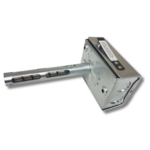
A duct high limit switch is a temperature-activated control designed to respond when the air temperature inside ductwork reaches a predetermined limit. It can be integrated into a suitable HVAC control circuit so that, when the trip point is reached, the circuit opens and connected equipment shuts down as designed.
Firestat duct high limit switches use a helix-shaped bi-metal sensing element. As temperature rises, the element responds to the heat and activates the switch mechanism. Firestat models use manual reset: after the high-temperature condition has been investigated and corrected, the control must be manually reset before it returns to its normal state.
When Is a Duct High Limit Switch Used?
A duct high limit switch may be appropriate when the application requires a designated high-temperature response rather than routine fan cycling. Potential applications include:
- Electric duct heaters and associated HVAC control circuits.
- Commercial HVAC systems that require duct-temperature limit protection.
- Multi-family, school, healthcare, and other institutional buildings, where the system design specifies this type of control.
- OEM equipment designs with defined trip-temperature and reset requirements.
Firestat offers fixed-temperature models for applications with an established trip point and adjustable-temperature models for applications requiring field adjustment. Adjustable models have a 100°F–250°F setting range and are available with 5-inch, 7.5-inch, and 11-inch sensing element options. Review the adjustable duct limit controls and fixed duct limit controls to compare available options.
What Is a Fan Limit Switch?
A fan limit switch is a temperature-responsive control used to manage blower operation based on the temperature of heating equipment or nearby airflow. In a typical forced-air furnace, it helps determine when the blower starts circulating heated air and when it stops as the system cools.
Some combination fan-limit controls also include a separate high-temperature limit function. However, designs vary: a fan-only control does not automatically provide the same protection as a dedicated high limit switch, and not every fan limit control combines both functions.
How Does a Fan Limit Switch Work?
- Fan ON: The blower starts when temperature reaches the designated fan-on threshold.
- Fan OFF: The blower stops when temperature falls to the designated fan-off threshold.
- High-temperature limit, if included: A separate limit function responds when temperature exceeds its specified safety threshold.
The exact operating sequence depends on the control and equipment design. Always confirm the switch functions and ratings against the furnace or HVAC manufacturer’s specifications.
Fan Limit Switch vs. Duct High Limit Switch
Feature
Fan Limit Switch
Duct High Limit Switch
Primary Purpose
Manages blower operation
Responds to excessive duct temperature
Typical Operation
Cycles the fan at defined temperature thresholds
Opens the connected circuit at the specified high-temperature trip point
Role in the system
Supports routine heating and airflow cycles
Provides a designated high-temperature response
Reset behavior
Depends on control design
Firestat models use manual reset
Selection priorities
Fan-on/off thresholds and blower/control compatibility
Trip temperature, sensing location, electrical ratings, and reset requirements
Important: A combination fan-limit control may provide both blower management and a high-limit function. A fan-only switch and a dedicated duct high limit switch should not be treated as interchangeable unless their functions, ratings, and approvals meet the equipment requirements.
How to Choose the Right Control
Choose a fan limit switch when:
- The control needs to start and stop a blower based on temperature.
- The equipment requires defined fan-on and fan-off thresholds.
- You are designing or servicing a furnace or similar heating system.
- You need combined fan and high-limit functions and have verified the selected model provides both.
Choose a duct high limit switch when:
- The application requires a response to excessive duct-air temperature.
- A specified high-temperature trip point is required.
- The equipment design or application calls for manual reset.
- You need to verify a particular sensing element length, electrical rating, contact configuration, and mounting arrangement.
If the system requires both normal fan control and over-temperature protection, determine whether a combination control meets the full specification or whether separate controls are required.

Specifications to Verify Before Ordering
Not every HVAC application requires a standard configuration.
Firestat offers custom solutions including:
- Custom trip temperatures
- Private labeling
- Custom probe lengths
- OEM manufacturing
- Special wiring configurations
- Volume production
If your application requires something beyond our standard product offering, our engineering team can work with you to develop the right solution.
Need Help Selecting a Duct High Limit Switch?
If your application calls for duct over-temperature protection, explore Firestat’s duct high limit control products to review available configurations. For purchasing options, visit the Firestat distributor page.
For OEM development, replacement selection, or a specialized application, contact Firestat with the equipment type, required trip temperature, existing part number if available, duct dimensions, and electrical requirements. This information helps identify which specifications need to be matched.
Always follow the equipment manufacturer’s specifications, applicable codes, and the selected control’s installation instructions. Confirm the specific product’s ratings and approvals before use.