Understanding Wisconsin HVAC and Duct Temperature Protection Requirements
HVAC systems in multifamily housing, commercial buildings, schools, healthcare facilities, and other occupancies must be designed to meet the building, mechanical, electrical, and fire-safety requirements that apply to each project. For contractors, engineers, developers, facility owners, and HVAC equipment manufacturers working in Wisconsin, selecting a duct high limit switch begins with identifying the specific safety function required by the design and confirming the applicable requirements with the local building department or authority having jurisdiction (AHJ).
Firestat duct high limit switches are temperature-activated electrical controls intended to respond when duct air reaches a specified high-temperature threshold. They may be evaluated for HVAC applications where this type of temperature-responsive switching function is suitable. The correct model, wiring, and role in the overall safety system must be verified for each project.

Wisconsin Code Requirements and Local Project Review
Wisconsin commercial building requirements are established through state administrative code, including Chapters SPS 361–366. Applicable requirements can depend on the building type, project scope, code edition, state amendments, local jurisdiction, and plan-review or inspection process.
Before specifying a duct high limit switch, identify the exact safety function required by the equipment design and project documents. Confirm the applicable code provisions, product listing requirements, installation details, and intended system response with the project engineer, qualified code professional, or AHJ.
For official state information, consult the Wisconsin Department of Safety and Professional Services (DSPS) Commercial Buildings resources:
- Wisconsin DSPS Commercial Buildings: https://dsps.wi.gov/Pages/Programs/CommercialBuildings/Default.aspx
- Wisconsin commercial building statutes and rules: https://dsps.wi.gov/a-z-boards-and-councils-list/commercial-building/statutes/
A duct high limit switch should not be treated as a substitute for a required duct smoke detector, fire damper, or other fire-protection device unless the applicable code expressly permits the proposed alternative and the responsible authority approves it. Temperature limiting, smoke detection, and fire damper functions are distinct.
Milwaukee-Area Considerations for Multifamily Construction
Firestat has reported that some building inspectors in the Milwaukee, Wisconsin area have requested a temperature limit controller in HVAC duct systems for new multifamily construction projects. This may be relevant to contractors, engineers, developers, and HVAC designers working on apartments and other multiple-dwelling buildings in the area.
This report should be treated as a project-specific consideration—not as confirmation that every Milwaukee project, or every Wisconsin project, is subject to the same requirement. Requirements can vary by project and jurisdiction. Before selecting a control, confirm the inspector’s or AHJ’s expectations, the required function, the trip temperature, the approved installation method, and the product documentation needed for review.
For Milwaukee-area projects, it is helpful to address these questions early in design or plan review: Is the requested device intended to provide temperature-activated shutdown? Which equipment or circuit must it control? Is a particular temperature setting or reset behavior specified? What product listing or documentation does the AHJ expect? Getting answers before procurement can reduce delays during installation and inspection.
How Firestat Duct High Limit Switches Work
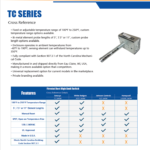
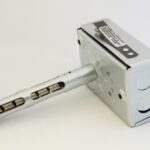
Firestat duct high limit switches use a helix-shaped bi-metal sensing element that responds to changes in duct-air temperature. When the temperature reaches the control’s specified trip point, the mechanism activates a snap-action switch and changes the electrical contact state; in the described high-limit configuration, the circuit opens.
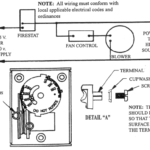
Depending on the system wiring and design, opening the circuit can shut down connected heating, ventilation, or air-conditioning equipment, a fan, or another connected device. Firestat controls include manual-reset configurations; after a high-temperature event, the cause should be investigated and corrected before the control is reset and the system returned to service.
The actual shutdown response depends on how the switch is integrated into the equipment control circuit. Confirm the intended function using the equipment manufacturer’s documentation, the project design, and the applicable installation instructions.
Firestat Features and Customization Options
Firestat duct high limit controls are manufactured by Senasys in Eau Claire, Wisconsin. The Milwaukee article describes the controls as individually tested before shipment and identifies UL approval; the Firestat site also references UL and cUL approval. Verify the exact certification, electrical ratings, and product details for the specific model being considered.
- Adjustable-temperature models with a 100°F–250°F setting range.
- Fixed-temperature models with a factory-specified trip point.
- Sensing-element lengths including 5-inch, 7.5-inch, and 11-inch options, subject to model availability.
- Custom temperature settings, element lengths, and other configurations for suitable applications.
Custom options can be useful when an OEM or project specification calls for a particular temperature setting or probe length. Availability and suitability should be confirmed with Firestat for the intended application.
Choose the Right Firestat Control

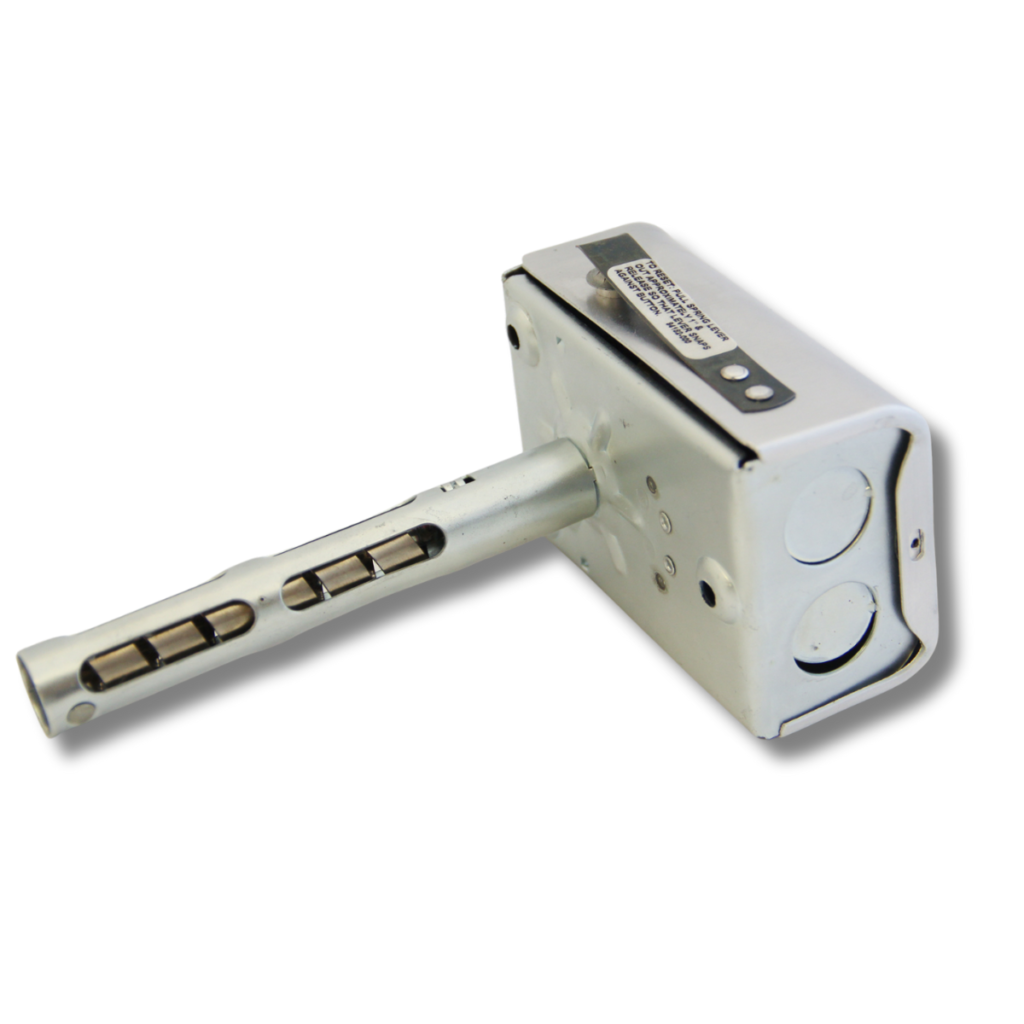
Adjustable-temperature models
Fixed-temperature models
Adjustable models may be appropriate when the equipment design calls for a field-adjustable trip temperature. The chosen setting must be based on the system design and applicable requirements.
Explore Firestat adjustable duct limit controls to review product details and available configurations.
Fixed-temperature models may be appropriate when project documents or equipment specifications identify a required preset temperature. Confirm the available temperature rating and the model’s electrical and certification details before ordering.
Compare Firestat fixed duct limit controls for available options.
Sensing element length and installation
The appropriate sensing-element length depends on duct dimensions, the intended sensing location, clearance, airflow, and the application. Before specifying a model, verify the trip temperature, voltage and current ratings, contact configuration, reset function, mounting requirements, wiring arrangement, and product listing.
Before specifying a model, verify its trip temperature, electrical ratings, contact configuration, sensing-element length, manual-reset function, mounting requirements, and product listing. Use the Firestat duct high limit switch installation guide for installation-related information and consult the Firestat FAQ page for common product-selection questions.
Applications to Evaluate
Depending on the equipment design and project requirements, duct high limit switches may be evaluated for applications such as:
- Multi-family residential buildings and apartment complexes.
- Commercial office buildings and retail facilities.
- Schools, hospitals, and other institutional buildings.
- Electric duct heaters and air-handling equipment.
- OEM HVAC systems requiring a specified duct high-temperature switching function.
For additional examples, visit the Firestat duct high limit control applications page. Each application must be reviewed against the applicable requirements, equipment manufacturer’s specifications, and project design.
Wisconsin and Milwaukee Project Verification Checklist
Before specifying or installing a duct high limit switch, confirm the following with the project team and AHJ:
- Which code edition, state provisions, and local requirements apply to the project?
- Has the local building department or inspector specified a temperature limit controller or another device?
- What exact safety function is required: temperature limiting, duct smoke detection, a fire damper, or another function?
- What trip temperature, reset behavior, and equipment shutdown response are required?
- Does the selected model meet the required electrical ratings, contact configuration, product listing, and installation conditions?
- Is the sensing-element length suitable for the duct and intended sensing location?
- What product documentation or approval information must be submitted for plan review or inspection?
Confirming these points helps the project team evaluate whether the selected control is appropriate. A product’s features alone do not establish compliance with a particular code requirement.
Find the Right Firestat Duct High Limit Control
Firestat offers adjustable and fixed-temperature duct high limit controls for suitable commercial HVAC, electric duct heater, and OEM applications. Review the Firestat duct high limit control product line to compare available options.
For purchasing support, visit the Firestat distributor page. For help evaluating a replacement or OEM application, contact Firestat with the equipment type, required trip temperature, existing part number if available, duct dimensions, and electrical requirements.
This article provides general product-selection information and summarizes a reported Milwaukee-area inspection consideration. It is not a legal interpretation or a determination of code compliance. Verify current adopted codes, amendments, product listings, installation requirements, and project-specific expectations with the authority having jurisdiction before specifying a control for a code-regulated application.