How to choose the right reset function for an HVAC temperature safety application
Temperature limit switches help protect HVAC equipment by responding when temperatures exceed a specified threshold. But the response after the switch trips is just as important as the temperature that activates it. Some controls automatically return to their normal state as the temperature falls, while others require someone to reset the control before normal operation can resume.
These are known as automatic reset and manual reset. Understanding the difference helps HVAC contractors, engineers, equipment manufacturers, and facility managers select a control that fits the system’s intended operation and safety requirements.
How a Limit Switch Responds to Temperature
A temperature limit switch monitors air or equipment temperature and changes its electrical contact state when the specified trip point is reached. In a typical high-limit application, this change opens a connected electrical circuit and initiates the response designed into the equipment.
The main difference between reset types is what happens after the temperature drops: a manual-reset switch remains tripped until a person resets it, while an automatic-reset switch returns to its normal contact state when its reset conditions are met. Whether the entire HVAC system restarts depends on the wiring and operating sequence—not only on the switch’s reset type.
Manual Reset Limit Switches
A manual reset limit switch requires physical intervention to restore its normal operating state after a trip. When the monitored temperature reaches the specified limit, the contacts change state. In a typical high-limit application, the circuit opens and the connected equipment responds according to its design.
Even after the temperature falls to a suitable level, the control remains tripped until an operator resets it. This creates an opportunity to investigate the abnormal temperature condition and correct the underlying issue before returning the system to service.
Why choose manual reset?
Manual-reset controls may be appropriate when the application requires a deliberate check before the control is restored.
- Added oversight: someone must intervene before the control returns to its normal state.
- Reduced chance of automatic restoration: the control does not reset simply because the temperature falls.
- Opportunity to investigate: personnel can check for airflow restrictions, blower problems, heating-component faults, or other potential causes.
- Application-specific safety requirements: manual reset may be specified by the equipment design or applicable requirements.
Automatic Reset Limit Switches
An automatic reset limit switch returns to its normal contact state when the temperature falls below the reset threshold and the control’s reset conditions are met. It responds to the same general type of temperature condition as a manual-reset switch, but it does not normally require someone to physically reset the control.
Why choose automatic reset?
Automatic reset may suit equipment designed to recover from temporary temperature changes without manual intervention.
- Automatic recovery: the control returns to its normal state when reset conditions are met.
- Less operator intervention: manual resetting is not required after each trip.
- Convenient routine operation: useful where automatic cycling is intentionally part of the equipment’s design.
Automatic reset is not appropriate for every high-temperature safety application. If a temperature excursion could indicate a hazardous condition, automatic restoration may allow operation to resume before the cause has been investigated. The intended control function, equipment manufacturer’s instructions, and applicable requirements should guide the selection.
Manual Reset vs. Automatic Reset: Key Differences
Feature
Manual Reset
Automatic Reset
Response at trip point
Changes contact state at the specified limit
Changes contact state at the specified limit
After temperature decreases
Remains tripped until manually reset
Returns to normal state when reset conditions are met
Physical intervention
Required
Not normally required
Equipment restart
Requires control reset before circuit can return to normal
May permit system recovery; restart depends on system controls
Main consideration
Allows investigation before restoration. High-temperature safety limits requiring manual intervention
Allows automatic recovery when intended and appropriate. Applications designed for automatic cycling
Neither reset type is universally better. The right choice depends on the potential consequences of a temperature excursion and how the equipment is designed to operate.
Why Manual Reset Matters for Duct High Limit Controls
In some HVAC applications, high duct temperature can indicate an abnormal condition that should be investigated before operation resumes. Possible causes may include restricted airflow, a blower issue, a heating-component malfunction, or another equipment problem.
If an automatic-reset control restores its contacts as the temperature decreases, the connected system may be able to resume operation without anyone checking the original cause. A manual-reset high limit control requires deliberate restoration after the condition has cleared, providing an opportunity for inspection and correction.
In duct systems serving multiple occupied areas, interrupting a connected circuit may help limit the movement of heat through the system, depending on the equipment design and wiring. Manual reset does not replace proper system design, inspection, maintenance, or any required smoke detection, fire protection, or other life-safety measures.
How to Choose the Right Reset Type
Choose manual reset when:
- The equipment should not automatically resume operation after a high-temperature event.
- The cause of the temperature excursion should be investigated before restarting.
- The equipment design or applicable requirements specify a manual-reset safety limit.
Consider automatic reset when:
- The equipment is designed to recover automatically after temperatures return to the appropriate range.
- Temperature cycling is a normal part of the intended operating sequence.
- The equipment manufacturer and applicable requirements permit automatic restoration.
For high-temperature safety applications, do not choose a reset type based only on convenience. Consider the possible consequences of automatic restart and confirm the appropriate reset behavior with the equipment manufacturer, project design, and applicable code or safety requirements.

Frequently Asked Questions
Does a manual-reset limit switch reset itself when it cools down?
No. A manual-reset control remains tripped after the temperature falls and requires physical intervention to restore its normal state. It must also be cool enough to reset according to its specifications.
Does an automatic-reset switch restart the entire HVAC system?
Not necessarily. The switch restores its own contact state when its reset conditions are met. Whether the equipment restarts depends on the connected control circuit and the system’s operating sequence.
Is manual reset safer than automatic reset?
Manual reset can provide an additional safeguard when a temperature excursion should be investigated before operation resumes. The appropriate type depends on the application, system design, and applicable requirements. Automatic reset is appropriate in some applications where automatic recovery is intended.
Do Firestat duct high limit switches use manual or automatic reset?
Firestat duct high limit switches use manual-reset operation. When the specified high-temperature threshold is reached, the switch opens the circuit and remains tripped until the condition has cleared and the control is manually reset according to its specifications.
Can I replace an automatic-reset switch with a manual-reset switch?
Not without verifying that the replacement is suitable for the application. Confirm the required reset function, temperature setting, electrical ratings, contact configuration, and equipment requirements. Changing reset behavior can affect the equipment’s operating sequence and safety design.
How Firestat Duct High Limit Switches Work
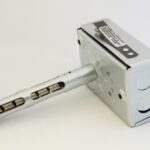
Firestat duct high limit switches use a helix-shaped bi-metal sensing element to respond to rising duct-air temperature. When the specified trip point is reached, the mechanism activates a snap-action switch and opens the normally closed electrical contacts.
Firestat duct high limit switches use manual-reset operation. After the high-temperature condition has cleared and the control is cool enough to reset according to its specifications, the cause of the trip should be investigated and corrected before the control is manually reset.
Firestat Features and Available Options
- Manual-reset operation: requires physical reset after a trip.
- Adjustable-temperature models: field-adjustable settings from 100°F to 250°F.
- Fixed-temperature models: factory-preset options, including 125°F, 165°F, and 200°F, subject to model availability.
- Sensing-element lengths: adjustable models are available with 5-inch, 7.5-inch, and 11-inch elements, subject to model availability.
- Bi-metal sensing technology and snap-action electrical switching.
- OEM support for equipment manufacturers and specialized applications.
Always confirm the specifications and options for the exact model before selection. Product availability, ratings, temperature settings, and installation requirements should be verified against current product documentation.
What to Verify Before Selecting a Limit Switch
- Trip temperature: confirm the required threshold and whether a fixed or adjustable model is appropriate.
- Reset behavior: determine whether the control must remain tripped until someone intervenes.
- Electrical ratings: verify voltage, current, contact configuration, and compatibility with the connected circuit.
- Sensing element: for duct-mounted controls, select a suitable element length and sensing location for duct dimensions and airflow.
- Installation and compliance: follow the equipment manufacturer’s instructions and verify applicable code and safety-system requirements.
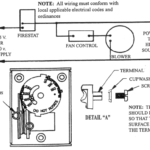
For additional product details, review the Firestat duct high limit switch installation guide.
Find the Right Duct High Limit Control for Your Application
Manual-reset and automatic-reset limit switches both respond to temperature, but they differ in how they restore the control after a trip. Automatic reset allows the control to return to its normal state when the reset conditions are met. Manual reset requires deliberate intervention, providing an opportunity to investigate an abnormal high-temperature event before restoring the control.
For HVAC applications requiring a manual-reset duct high limit switch, Firestat offers adjustable and fixed-temperature controls designed to respond to excessive duct temperatures and interrupt the connected electrical circuit.
Compare Firestat’s adjustable duct limit controls: https://firestat.net/product/adjustable-temperature-duct-limit-controls/
Explore fixed duct limit controls: https://firestat.net/product/fixed-duct-limit-controls/
For help selecting a control for an HVAC or OEM application, visit the Firestat distributor page https://firestat.net/duct-limit-switch-distributors/ or contact Senasys at https://firestat.net/contact-us/.