Protecting Occupants Through Temperature-Activated HVAC Shutdown
In apartment buildings, condominiums, dormitories, hotels, and other multi-family facilities, HVAC ductwork can become a pathway for heat and smoke during a fire. While fire-rated walls and doors help compartmentalize buildings, shared duct systems can allow smoke and hot gases to move between occupied spaces if airflow continues.
Firestat Duct High Limit Controls provide a simple mechanical solution by shutting down HVAC equipment when duct temperatures exceed a predetermined limit. Using a manual-reset temperature switch, Firestat controls help stop the movement of heated air through the duct system, supporting life safety objectives and helping designers meet applicable mechanical code requirements in many jurisdictions.

Why Multi-Family Buildings Need Duct High Limit Controls
Unlike single-family homes, multi-family buildings frequently share portions of their HVAC infrastructure. During a fire, continued airflow may contribute to the movement of heat and smoke beyond the room of origin.
Installing a manual-reset duct high limit control helps:
- Shut down HVAC equipment when duct temperatures become unsafe.
- Reduce the movement of smoke and heat through shared ductwork.
- Help protect occupants in neighboring units.
- Reduce potential damage to HVAC equipment.
- Support compliance with applicable mechanical building codes.
How a Firestat Duct High Limit Control Works
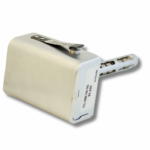
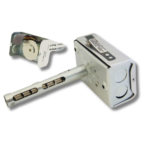
Firestat controls are externally mounted to HVAC ductwork. A stainless steel sensing probe extends into the duct where it continuously monitors air temperature.
When the preset temperature is reached:
- The helix bi-metal sensing element rapidly expands.
- A snap-action switch changes state.
- Power is interrupted to fans, blowers, dampers, or other connected HVAC equipment.
- The control remains tripped until manually reset after the condition has been evaluated.
Because manual intervention is required before restarting the HVAC system, the cause of the over-temperature event can be investigated before airflow resumes.
Supporting Building Code Compliance
Many state and local mechanical codes require temperature-responsive HVAC shutdown or similar fire protection measures in shared duct systems. Requirements vary by jurisdiction and application, so HVAC designers and contractors should always verify local code requirements with the authority having jurisdiction (AHJ).
Firestat Duct High Limit Controls are designed to support installations that comply with numerous regional mechanical code requirements and listings, including applications recognized under North Carolina, Louisiana, California, and New York requirements.
Manufactured for Commercial HVAC Applications

Firestat duct high limit switches are commonly installed in:
- Apartment buildings
- Commercial office buildings
- Schools
- Hospitals
- Hotels
- Industrial facilities
- Electric duct heaters
- Air handling units
- Rooftop HVAC equipment
- Building automation systems
They are equally suitable for new construction and retrofit projects.
Fixed vs. Adjustable Temperature Models
Firestat offers both fixed-temperature and adjustable-temperature controls.
Fixed Temperature Models
Available in common preset temperatures including:
- 125°F
- 165°F
- 200°F
Ideal where a fixed trip point is specified by the application.
Adjustable Temperature Models
Offer field-adjustable temperature settings from:
100°F–250°F
Ideal when flexibility is needed during commissioning or when different HVAC systems require different trip temperatures.

Product Features
Firestat Duct High Limit Controls include:
- Manual reset operation
- Fixed or adjustable temperature settings
- Temperature range from 100°F–250°F
- 5″, 7.5″, and 11″ sensing probe lengths
- Helix bi-metal sensing technology
- Snap-action switching
- External duct mounting
- UL Recognized
- Made in the USA
- OEM customization and private labeling available
Benefits for Building Owners and Contractors
Choosing a mechanical manual-reset duct limit control provides several advantages:
- Reliable operation without software or programming
- Simple installation
- Long service life
- Minimal maintenance
- Easy troubleshooting
- Improved occupant protection
- Supports HVAC code compliance
- Cost-effective retrofit solution
Mechanical controls continue operating independently of building automation systems, making them a dependable layer of protection within HVAC safety strategies.
Why Choose Firestat?
For decades, Firestat has manufactured dependable duct high limit controls for OEMs, HVAC contractors, distributors, and facility managers.
Every Firestat control is manufactured in Wisconsin using proven mechanical temperature-sensing technology designed for demanding commercial and multi-family HVAC applications.
Whether you’re designing a new apartment complex or upgrading an existing HVAC system, Firestat offers dependable manual-reset controls that help protect occupants, equipment, and property while supporting applicable building code requirements.
Frequently Asked Questions
What is a duct high limit control?
A duct high limit control is a temperature-activated safety switch that shuts down HVAC equipment when duct temperatures exceed a preset limit
What is the difference between fixed and adjustable models?
Fixed models trip at a factory-set temperature, while adjustable models allow the installer to select a temperature between 100°F and 250°F
Where are Firestat controls installed?
Firestat controls mount externally on HVAC ductwork, with the sensing probe extending into the air stream to monitor duct temperature.
Do Firestat controls require a manual reset?
Yes. Once activated, the control must be manually reset after the over-temperature condition has been investigated and corrected.
Visit our FAQ page for more common questions and answers.
Talk to a Product Specialist
Whether you need a replacement duct high limit switch, assistance selecting the proper sensing element length, or a custom OEM solution, our team is ready to help.
Contact Firestat today to discuss your application or request a quote.