

Supporting HVAC temperature protection in educational facilities.

Schools rely on heating, ventilation, and air-conditioning (HVAC) systems to support comfortable indoor environments for students, teachers, staff, and visitors. Classrooms, corridors, cafeterias, libraries, gymnasiums, and administrative offices can all place different demands on a building’s heating and air-handling equipment. Selecting temperature-protection components requires attention to reliable operation, the equipment design, and the facility’s applicable safety requirements.

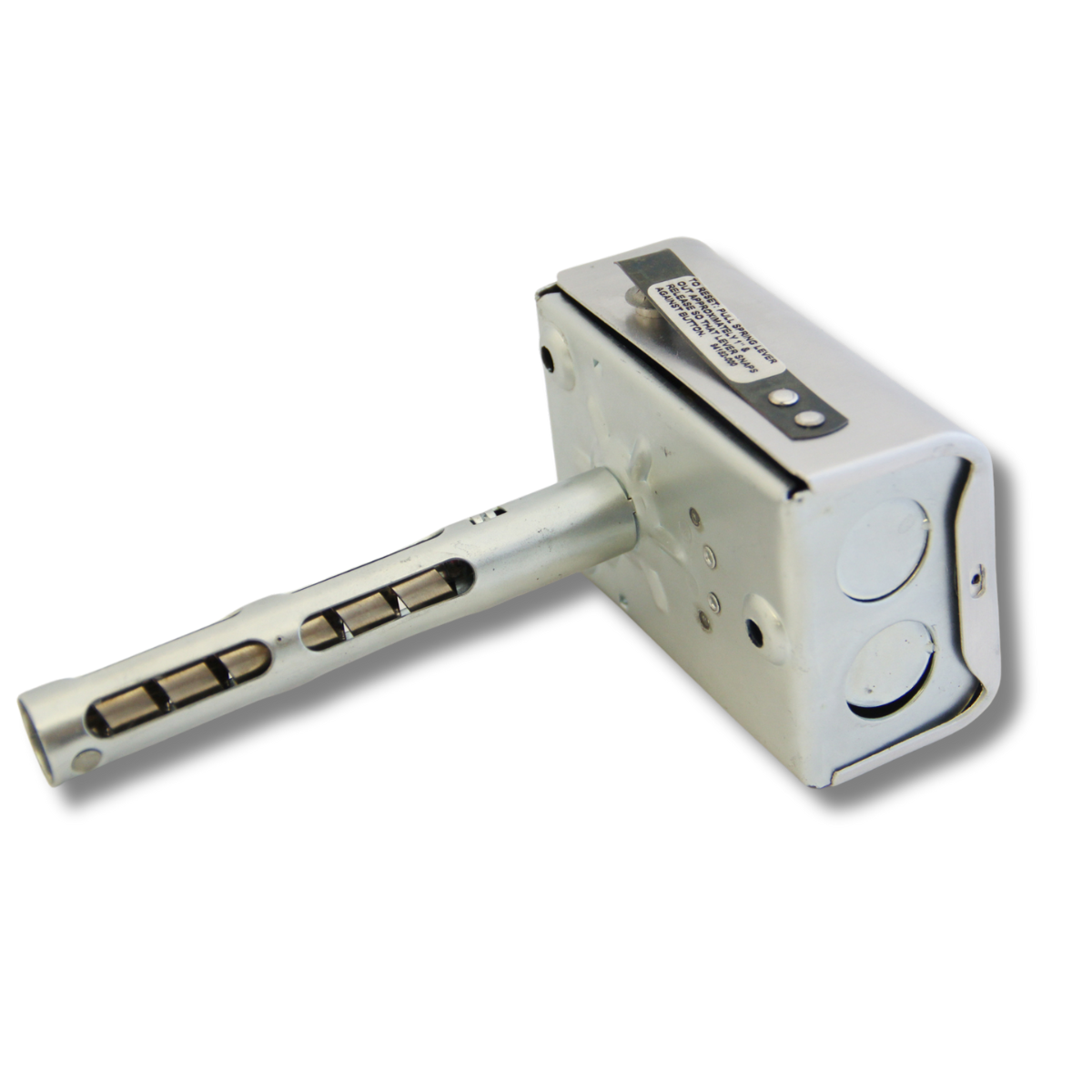
Firestat duct high limit switches are temperature-responsive electrical controls designed to respond when duct air temperature rises above a specified threshold. In an appropriate application, a control can provide a dedicated high-temperature limit function as part of the HVAC system’s broader safety design.

Duct High Temperature Switches
Potential Applications in School HVAC Systems

Depending on the system design and equipment requirements, Firestat duct high limit switches may be evaluated for applications such as:

  • Classroom and corridor HVAC systems.
  • Central heating and air-handling equipment.
  • Electric duct heater installations.
  • HVAC systems serving libraries, cafeterias, gymnasiums, and administrative areas.

These examples describe potential applications, not a determination that a Firestat control is required or suitable for every school, building zone, or HVAC configuration. Confirm the intended function and application requirements before selecting a model.

How a Firestat Duct High Limit Switch Works

Firestat uses a helix-shaped bimetal sensing element to detect rising air temperatures in ductwork. When the temperature reaches the specified trip point, the switch opens the connected electrical circuit, allowing the equipment to respond according to the system’s design.

The manual-reset function requires intervention before the switch returns to its normal state. This allows the cause of a high-temperature event to be investigated before the control is reset.

Why Duct Temperature Protection Matters in Schools

School HVAC systems serve a range of occupied spaces and equipment types. Where the system design calls for a high-temperature limit control, the selected device needs to be compatible with the equipment, the intended trip point, and the electrical circuit it controls. The response after a trip should be considered as part of the overall HVAC control strategy.

Selecting an Appropriate Firestat Control
High limit duct control

Firestat offers adjustable-temperature models with a 100°F–250°F setting range and fixed-temperature controls for applications with predetermined trip requirements. The appropriate model depends on the specific equipment and installation—not on temperature range alone.

    • Normal operating temperature and the required high-temperature trip point.
    • Sensing element length and the intended location within the duct or equipment.
    • Electrical ratings and compatibility with the circuit being controlled.
    • The expected equipment response when the switch opens the circuit.
    • Access for inspection, investigating a trip, and manual reset.
    • Applicable local school facility requirements, codes, product listings, and equipment specifications.

Choosing the Right Firestat Control

The right model depends on the required trip temperature, duct dimensions, sensing-element length, electrical ratings, contact configuration, reset requirements, and installation conditions. Firestat offers both adjustable and fixed-temperature options.

Neither type is automatically the best choice for every nursing home. Confirm the required set point using the HVAC equipment specifications and applicable requirements; do not select a temperature solely from a general rule of thumb.

Adjustable Duct Control Air Duct Temperature Controllers

Adjustable Duct Limit Controls

Fixed Duct Limit Controls

Adjustable models can be set within a 100°F–250°F range, allowing the temperature setting to be selected for the application. Review the adjustable duct limit controls page for product details and available configurations.

Fixed-temperature models are intended for applications where the required trip point is established by the equipment design or project specifications. Review fixed duct limit controls to compare available options.

Learn more Learn more

Product Features

Firestat Duct High Limit Controls include:

  • Manual reset operation
  • Fixed or adjustable temperature settings
  • Temperature range from 100°F–250°F
  • 5″, 7.5″, and 11″ sensing probe lengths
  • Helix bi-metal sensing technology
  • Snap-action switching
  • External duct mounting
  • UL Recognized
  • Made in the USA
  • OEM customization and private labeling available
Important School Facility Considerations

A Firestat duct high limit switch may contribute to an overall HVAC safety strategy where its function, ratings, and installation are appropriate. It does not replace required fire alarm systems, duct smoke detectors, fire dampers, or other required fire-protection measures.

Before installation, confirm that the selected control meets the project’s requirements and that its operation is compatible with the connected HVAC equipment. Review applicable codes, product listings, and facility-specific requirements with the responsible design or facilities team.

Explore Firestat Duct High Limit Controls

If you are evaluating a duct high limit switch for a school HVAC system, review the product specifications and discuss the application with Senasys. Confirm the intended temperature setting, sensing element length, electrical ratings, installation conditions, and equipment response before specifying a control.

Talk to a Product Specialist

Whether you need a replacement duct high limit switch, assistance selecting the proper sensing element length, or a custom OEM solution, our team is ready to help.

Contact Firestat today to discuss your application or request a quote.

Talk to a product specialist today!

CEMCO Duct Limit Switches

The Firestat Duct Fan and Limit Thermostat Switches operate using the same physics to ensure HVAC safety. A helix bi-metal element senses a rapid temperature change. When the temperature changes the bi-metal expands and triggers a snap action switch and either opens or closes a circuit. These switches are commonly installed in air ducts designed to shut down heating, air conditioning and ventilation equipment in apartment complexes and other multiple dwelling units when air temperature exceeds the set point.

UL & cUL Approved
Made in the U.S.A.